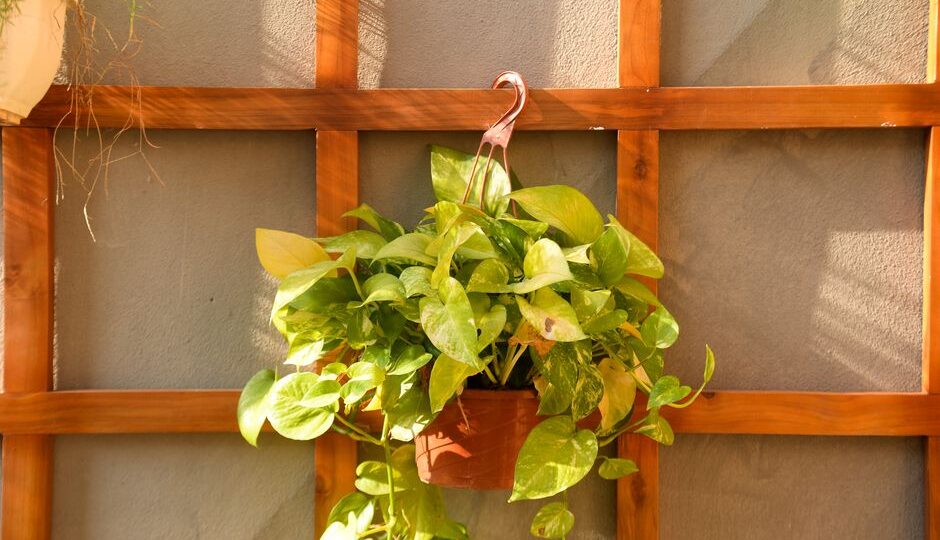
Bringing the Outdoors In: The Vertical Garden Revolution
In 2026, the concept of greening our living spaces has reached new heights, quite literally. With urban apartments and homes getting smaller, space-efficient solutions like vertical gardens are flourishing. Imagine a lush, green wall that not only purifies the air but also becomes a living piece of art in your home!
Vertical gardens are not just about aesthetics; they are a breath of fresh air, quite literally. They improve air quality, boost your mood, and instill a sense of tranquility. Whether you have a sprawling loft or a compact studio, anyone can embrace this trend.
Choosing the Right Spot: Light and Space Considerations
Before you start planting, it’s essential to choose the right spot for your vertical garden. Consider the light and space available. Most plants require at least 4-6 hours of daylight, so a well-lit area is ideal.
Ideal places include:
- Balconies or patios with ample sunlight
- Bathrooms with natural light for humidity-loving plants
- Living room walls that catch the morning sun
Remember, you don’t need a garden or large space to create your own green oasis. Even a narrow strip of wall in a hallway can be transformed into a vibrant garden.
Picking Your Plants: The Best Choices for 2026
Choosing the right plants is crucial to the success of your vertical garden. In 2026, some plants have emerged as favorites among urban gardeners due to their resilience and aesthetic appeal.
Top picks include:
- Philodendron – Known for their heart-shaped leaves and adaptability.
- Ferns – Perfect for adding texture and thriving in shaded areas.
- Succulents – Low maintenance and ideal for sunny spots.
- Pilea – Their coin-shaped leaves add a unique touch.
- Spider Plants – Great for beginners and air purification.
Consider mixing various plant types to create a dynamic and vibrant wall.
DIY Vertical Garden: Step-by-Step Guide
Creating your vertical garden is easier than you might think. Here’s a simple guide to get you started:
- Prepare Your Space: Measure your wall space and ensure it can accommodate the weight of a garden.
- Choose a Frame: Opt for a sturdy material like wood or metal. A garden frame or shelf system from a home improvement store works well.
- Install a Waterproof Barrier: Protect your walls by attaching a waterproof barrier behind the frame.
- Select Your Planters: Use pots that fit well into your frame or create homemade fabric pockets for a chic, rustic look.
- Plant Your Greenery: Start planting! Arrange the plants in the frame, ensuring they have enough space to grow.
- Watering and Maintenance: Install a drip irrigation system to ensure consistent watering. Regularly prune and check for pests.
With these steps, your urban jungle will thrive and transform your living space.
Maintaining Your Vertical Garden
Though vertical gardens require less maintenance than traditional gardens, they still need some attention.
- Watering: Keep an eye on the soil moisture, especially in warmer months. Overwatering can be as harmful as under watering.
- Pruning: Regularly trim dead leaves and overgrown branches to keep your garden looking its best.
- Pest Control: Check for pests and use natural remedies like neem oil if needed.
- Fertilizing: Feed your plants with an organic fertilizer every few months to encourage healthy growth.
By following these tips, your vertical garden will continue to be a healthy and beautiful addition to your home.
The Takeaway: Transform Your Home in 2026
Vertical gardens are not just a trend; they’re a lifestyle change that brings nature into your home, no matter the size. By crafting your own urban jungle, you not only enhance your living space but also contribute positively to the environment. Get creative, be patient, and watch your home transform into a vibrant, green haven.