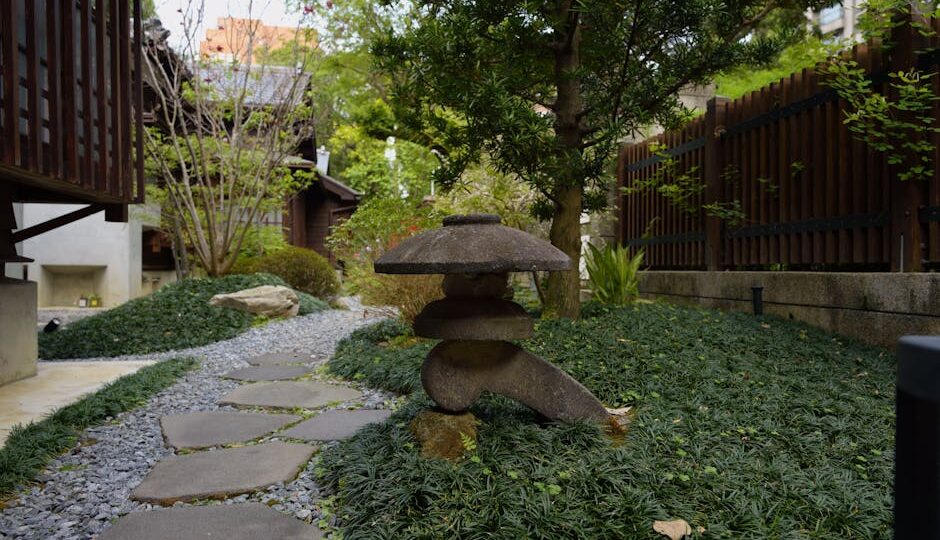
The Essence of a Zen Garden
Creating a Zen garden in your backyard is like painting a serene landscape with stones, sand, and carefully pruned plants. The philosophy behind a Zen garden, or karesansui, is rooted in simplicity and mindfulness. These gardens, often referred to as Japanese rock gardens, symbolize elements of nature through minimalistic design. Imagine transforming a part of your outdoor space into an oasis that invites peace and contemplation. Sounds appealing, right?
Choosing the Right Spot
Before getting your hands dirty, consider the best location for your Zen garden. Ideally, you want a spot that offers tranquility, away from the bustling areas of your home. Whether it’s a corner of your backyard or a side yard that feels underutilized, the spot should allow for quiet reflection. Keep in mind that a typical Zen garden is around 5 to 10 square meters, but feel free to adjust based on your available space.
Gathering Essential Materials
To bring your Zen garden to life, you’ll need specific materials. Here’s a checklist:
- Sand or Gravel: These represent water. White sand or light-colored gravel is ideal for achieving that classic Zen look.
- Stones: Use rocks of various sizes and shapes. Opt for natural stones like granite or slate from your local landscape supplier.
- Rake: A traditional bamboo rake is used to create patterns in the sand, symbolizing the ripples of water.
- Plants: While not always necessary, small, well-pruned plants or moss can add a touch of greenery.
For budget-friendly options, consider sourcing materials from places like Home Depot or Lowe’s, where you can find gravel for around $50 per ton and stones priced according to weight and type.
Designing the Layout
Once you’ve gathered your materials, it’s time to plan your garden’s layout. This step requires a bit of imagination. Think about the elements you want to incorporate. Perhaps a cluster of large stones to emulate mountains or a simple sand expanse to signify the sea.
Begin by outlining the perimeter of your garden with larger stones or wooden borders. This creates a defined space and helps contain the sand or gravel. Then, place your stones strategically. One popular design is the Shichi-go-san or “seven-five-three” arrangement, which uses groups of stones to form triangular patterns, creating a dynamic look.
Creating Patterns with Sand and Gravel
Raking the sand is where your Zen garden truly comes to life. This practice can be meditative, offering a moment of calm and creativity. Use your rake to create flowing patterns that mimic the movement of water. Common designs include parallel lines or concentric circles around stones to emphasize their presence.
Experiment with different patterns. There’s no right or wrong here. The goal is to create a design that resonates with you, offering a space for reflection and peace.
Maintaining Your Zen Garden
Maintaining a Zen garden is relatively simple but requires regular attention to preserve its aesthetic. Be prepared to rake the sand periodically, especially after rain or strong winds, which can disrupt the patterns. Ensure any plants or moss remain well-trimmed and free from weeds.
These small acts of care are part of the Zen garden experience, allowing you to engage with the space actively. Maintenance becomes a ritual that enhances the garden’s purpose: to provide a refuge from the hectic pace of daily life.
A Space for Reflection
As you sit beside your newly created Zen garden, take a moment to appreciate its simplicity and beauty. Let the patterns and natural elements guide your thoughts. This space is more than just a garden; it’s a personal retreat, offering solace and inspiration whenever you need it.
Creating a Zen garden is an opportunity to craft a piece of tranquility in your own backyard. With careful planning and attention to detail, you can transform even the smallest outdoor space into a serene haven. So grab your rake and stones, and start your journey towards cultivating peace and mindfulness at home.