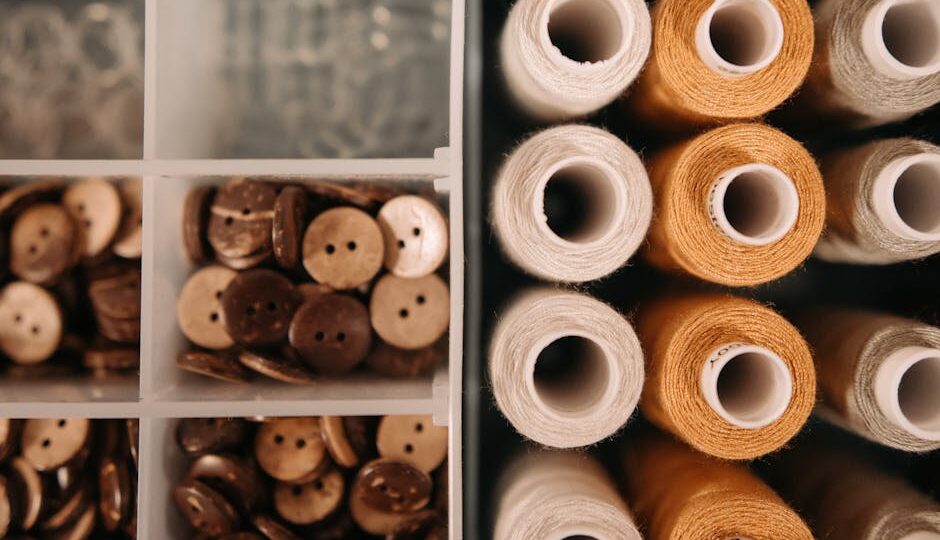
The Resurgence of Crafting in 2026
Crafting has taken on a new significance in 2026, becoming not just a hobby but a lifestyle choice driven by a desire for sustainability. As we become more aware of our environmental footprint, crafting with eco-friendly materials and techniques is no longer an option—it’s a necessity. This year, communities around the globe, from the bustling streets of Tokyo to the serene landscapes of New Zealand, are embracing sustainable crafting as a way to contribute positively to the planet.
In 2026, crafting is a vibrant blend of tradition and innovation. The global market for handmade goods is projected to reach $1 trillion, and about 40% of these products are crafted using sustainable methods. This shift is fueled by a growing segment of creators who prioritize the planet as much as their artistry.
Materials Matter: Choosing Eco-Friendly Options
One of the most significant aspects of sustainable crafting is the choice of materials. The crafting world is seeing a surge in innovative materials that are both earth-friendly and versatile. Recycled glass, biodegradable fabrics, and plant-based dyes are just a few options gaining popularity. For instance, in Portland, Oregon, a community workshop has started providing free access to recycled metal and wood for local artisans, leading to a 30% increase in eco-friendly crafts in the area.
Choosing sustainable materials not only helps reduce waste but also often supports local economies. Many crafters are sourcing materials from local producers, which cuts down on transportation emissions and boosts small businesses. Whether it’s hand-spun yarn from a local farm in Ireland or reclaimed wood from a renovator in Brazil, the materials tell a story, adding depth and meaning to each creation.
The DIY Revolution: Crafting as a Form of Activism
Crafting in 2026 is more than just a pastime; it’s a form of activism. Makers are using their skills to address social and environmental issues, bringing awareness and change through their creations. In cities like Amsterdam, crafting cooperatives have formed, where artisans collaborate on projects that highlight climate change, pollution, and sustainable living practices.
These projects often go beyond raising awareness. They are action-oriented, with crafters creating reusable alternatives to single-use plastics, developing educational kits that teach children about sustainability, and forming networks that lobby for environmental policies. Craft fairs, once a quaint weekend activity, have transformed into bustling hubs of social change.
Technology Meets Tradition: Innovations in Sustainable Crafting
As technology evolves, so does crafting. The integration of technology into crafting practices has opened up new possibilities for sustainability. In Rio de Janeiro, a group of tech-savvy artisans has developed a solar-powered kiln for pottery making, dramatically reducing the energy required for firing ceramics. This innovation has inspired similar projects worldwide, from solar weaving machines in India to 3D printers that use biodegradable filaments in Sweden.
Moreover, digital platforms are connecting crafters globally, allowing for the exchange of sustainable techniques and ideas. Online communities provide a space for sharing tutorials, hosting virtual workshops, and fostering collaborations that transcend geographical boundaries. The digital age has made crafting a truly global endeavor, uniting creators in their quest for a greener planet.
Engaging the Next Generation: Crafting for Future Sustainability
Today’s youth are tomorrow’s leaders, and introducing them to sustainable crafting is crucial for continuing this positive trend. Schools across the globe are integrating crafting into their curriculums as a way to teach children about sustainability and resourcefulness. In Finland, educational programs focused on crafting have led to a 50% increase in student engagement with environmental issues.
Crafting also offers a hands-on approach to learning, allowing children to understand the impact of their choices and the importance of sustainability. By engaging the next generation in sustainable crafting, we’re not only nurturing their creativity but also instilling a sense of responsibility toward the planet.
Practical Steps to Start Your Sustainable Crafting Journey
Ready to embark on your sustainable crafting journey? Start by evaluating the materials you already have. Can they be reused or repurposed? Next, seek out local suppliers who offer eco-friendly materials. Consider joining a crafting cooperative or an online community to connect with like-minded individuals.
Another practical step is to educate yourself. Attend workshops, read about sustainable crafting techniques, and stay informed about new materials and methods. Every small effort counts, and together, we can craft a sustainable future.