7 Mistakes to Avoid When Painting Your Walls
Painting your walls is one of the most transformative and cost-effective ways to refresh your space. Yet, as simple as it seems, it’s surprisingly easy to stumble into a few pitfalls. Whether you’re giving your living room a new look or sprucing up your bedroom, avoiding these common mistakes can make all the difference in achieving that professional finish.
1. Skipping the Prep Work
One of the biggest mistakes is jumping straight into painting without preparing the walls. It might seem like a time-saver at first, but skipping this step can lead to uneven paint job and peeling later on. Start by cleaning your walls with a mild detergent to remove dust and grease. After that, fill any holes or cracks with a good quality filler and sand it down for a smooth surface. A good rule of thumb is to spend as much time prepping as you do painting. A well-prepared wall not only holds paint better but also looks more professional.
2. Choosing the Wrong Paint Finish
Not all paint finishes are created equal, and using the wrong one can ruin the aesthetic you’re aiming for. For high-traffic areas like hallways and kitchens, a semi-gloss or satin finish is preferable because it’s more durable and easier to clean. On the other hand, a flat or matte finish is ideal for bedrooms and ceilings where you want to minimize light reflection and hide imperfections. Before you choose a finish, consider the room’s purpose and the type of wear and tear it will likely endure.
3. Neglecting the Impact of Lighting
Color can drastically change under different lighting conditions, and ignoring this fact can lead to disappointment with the final result. Before committing to a color, test samples in different lights: natural daylight, artificial light, and during both day and night. For instance, a soft gray might appear cool and soothing under natural daylight but could turn bluish under artificial lights. Take the time to observe how your paint sample looks throughout the day to ensure it fits your vision.
4. Using Cheap Brushes and Rollers
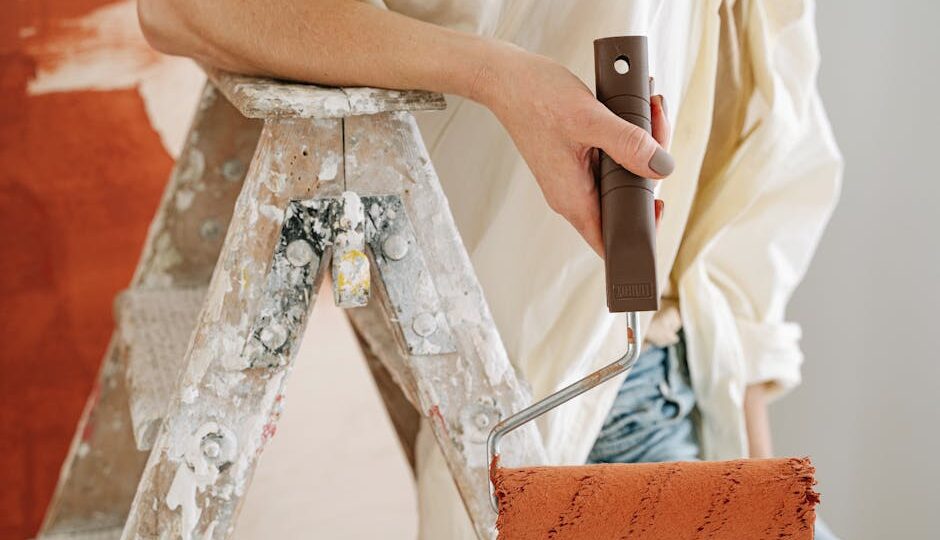
Investing in high-quality brushes and rollers might seem unnecessary, but it can significantly impact your painting project’s outcome. Cheap tools often shed bristles and leave streaks, which can mar the surface of your walls. Opt for brushes with synthetic bristles for latex paints and natural bristles for oil-based paints. A good roller should have a sturdy core and the right nap for your wall texture—shorter for smooth surfaces and longer for rougher ones like popcorn ceilings.
5. Overlooking the Importance of Primer
Primer is often an overlooked step, yet it forms the foundation for your paint. It helps the paint adhere better, ensures true color saturation, and can even reduce the number of coats needed. This step is crucial if you’re painting over a dark color or a new surface, like drywall. Some paints come with built-in primer, but in cases of drastic color changes or walls with stains, a separate primer is your best bet for a flawless finish.
6. Painting in Harmful Weather Conditions
Weather conditions play a crucial role in how your paint dries and adheres. Humid conditions can cause paint to dry more slowly, leading to drips and an uneven finish, while extreme temperatures can affect the paint’s consistency. Aim to paint on days with moderate temperatures and low humidity. In places like San Francisco, where the weather is often foggy and damp, plan your painting projects for the drier summer months.
7. Not Protecting Surrounding Areas
Avoid the additional headache of cleaning up paint splatters by thoroughly protecting your floors, trim, and furniture before you start. Use painter’s tape to achieve crisp lines where the wall meets the ceiling or trim, and cover floors and furniture with drop cloths. Spending a few extra minutes on this can save you hours of cleaning up later.
Painting your walls can be a rewarding DIY project when done correctly. Keep these common mistakes in mind and you’ll be well on your way to achieving a fresh, new look for your home without unnecessary headaches.
Final Takeaway
Remember, patience and preparation are key. By spending time on the foundational steps and using the right tools, the process becomes smooth and the results more satisfying. Happy painting!