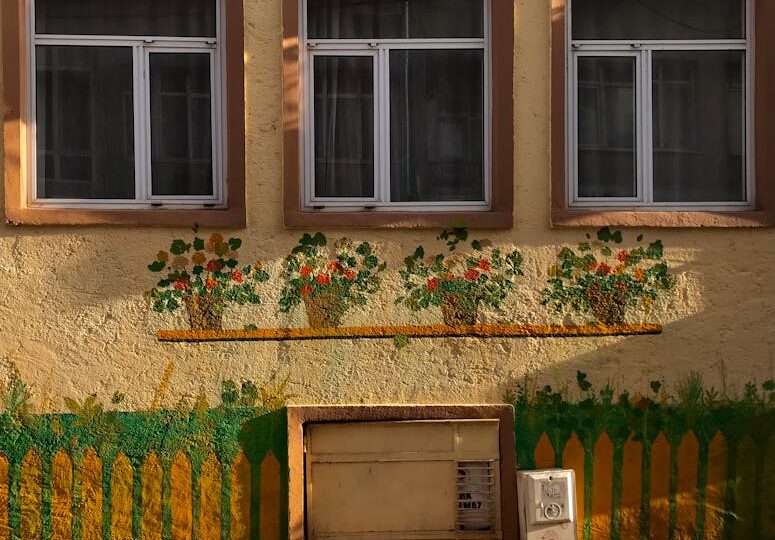
Introduction to Small-Scale Murals
Murals have always been synonymous with grand, sprawling walls and public spaces, but their magic doesn’t have to stay outside or on large canvases. In 2026, homebodies and artists alike are embracing the charm of creating murals on smaller canvases right at home. This intimate approach not only adds a splash of personality to any room but also allows for exploration of creativity without the commitment of a full-wall mural.
Choosing Your Canvas: Think Beyond the Wall
While traditional murals might bring to mind images of large exterior walls or entire room makeovers, the beauty of the small-scale mural is its versatility. Think beyond the wall. Consider furniture, old doors, large canvases, or even windows as potential canvases for your mural. Imagine transforming a tired, plain headboard into a floral masterpiece or turning a dull cabinet door into a vibrant geometric design. The goal is to blend your creation seamlessly into your space as a focal or complementary piece.
Design Planning: From Vision to Reality
Before diving into painting, take a moment to plan your design. Start with a theme or a concept that resonates with you. Whether it’s a picturesque landscape, an abstract design, or a playful pattern, sketch out your ideas. Leverage digital tools like Procreate or Adobe Fresco for a modern twist on conceptualization. This way, you can visualize different color schemes and compositions without a drop of paint.
- Scale: Consider the size of your surface. Bigger isn’t always better—sometimes a smaller design on a large canvas can make a statement.
- Color: Choose a palette that complements your existing decor but don’t be afraid to experiment with bold hues.
- Complexity: Decide on the level of detail based on your comfort and skill level. Simpler designs can be just as striking as intricate ones.
Gathering Your Materials
Once you’ve settled on a design, it’s time to gather your materials. Quality is key here. Opt for high-quality acrylic paints that offer vibrant colors and durability. Invest in a set of brushes that vary in size to accommodate different strokes and details. Don’t forget painter’s tape for clean edges and a reliable drop cloth to protect your surroundings from spills.
For those looking to add texture or dimension, consider incorporating materials like gesso to prime your surface or modeling paste for raised effects. These additions can give your mural a unique tactile quality that stands out.
Painting Your Mural: Techniques and Tips
With materials in hand, it’s time to transform your vision into reality. Begin with a light pencil sketch on your canvas to guide your painting. For beginners, a projector app can project your design onto the surface to trace outlines easily. This step is crucial for maintaining proportions and alignment.
- Layering: Start with the background and work your way forward, layering colors and elements to build depth and interest.
- Blending: Use blending techniques to create smooth transitions between colors. An old trick is to keep a spray bottle handy to lightly mist your paint as you blend, keeping it workable longer.
- Details: Switch to smaller brushes for fine details and intricate work. Patience is your best tool here.
Finishing Touches and Preservation
Once your mural is complete and dried, step back and admire your work. But don’t forget to seal the deal! Apply a protective varnish to safeguard your piece from dust and fading. A satin finish often works well, providing a subtle sheen that enhances colors without overwhelming the artwork.
Consider framing your mural if possible, especially for canvases and smaller surfaces. This not only protects the edges but can also add a polished look to your piece.
Practical Takeaway: Embrace the Process
The true essence of creating murals at home is to enjoy the process. Each stroke, each color choice is an opportunity to express yourself and personalize your space. By bringing this art form into your home, you’re not just decorating—you’re telling a story, one brushstroke at a time.