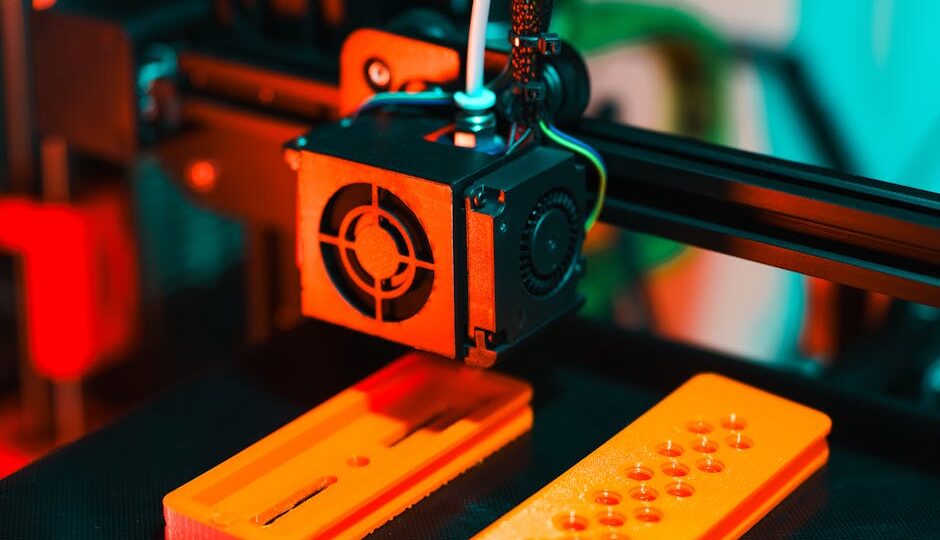
Why 3D Printed Furniture Is the Future
The world of interior design is constantly evolving, and one of the most exciting trends as we move through 2026 is the rise of 3D printed furniture. This technology, once reserved for prototypes and small-scale projects, has now made its way into our homes, allowing for an unprecedented level of customization and creativity.
What makes 3D printed furniture so appealing is its ability to transform digital designs into tangible pieces with ease. This means that individuals can create items that perfectly fit their aesthetic preferences and spatial requirements. Moreover, the sustainability factor cannot be overlooked. Using recyclable materials and printing only what’s needed minimizes waste, making it an eco-friendly choice for modern homes.
Getting Started with 3D Printed Furniture
Before you can design and print your own furniture, it’s essential to familiarize yourself with some basic software tools. Programs like Tinkercad, SketchUp, and Fusion 360 are user-friendly and widely used by both beginners and seasoned designers.
- Tinkercad: Ideal for beginners, this software offers a simplistic interface and a variety of templates to help kickstart your design process. It’s entirely web-based, so you can access it from any device.
- SketchUp: Known for its intuitive layout, SketchUp allows you to draft more complex models. It provides a library of pre-existing components, which can be a huge time saver.
- Fusion 360: This tool is perfect for those looking to dive deeper into the world of 3D design. With advanced functionalities, it’s suitable for creating intricate designs with detailed specifications.
Design Inspiration and Concepts
When embarking on a 3D printing project, inspiration is key. Consider visiting design forums, Pinterest boards, or the Design Museum in London, known for its innovative exhibits. Look for pieces that not only catch your eye but would also serve a practical function in your home.
A current trend is ‘parametric design,’ where algorithms define the shapes and structures of furniture. This allows for organic, flowing designs that mimic natural forms like spirals and waves, bringing a touch of nature inside. Another popular concept is modular furniture, which offers the flexibility to rearrange or add to your furniture as needed.
Choosing the Right Materials
One of the most exciting aspects of 3D printing is the variety of materials you can use. Common choices for furniture include PLA (Polylactic Acid), PETG (Polyethylene Terephthalate Glycol), and even recycled plastics.
- PLA: A biodegradable option made from renewable resources like corn starch. It’s perfect for pieces that don’t need to bear heavy loads.
- PETG: Known for its durability and impact resistance, PETG is great for more robust furniture items.
- Recycled Plastics: Not only sustainable but also offer unique color patterns and textures, turning each piece into a one-of-a-kind creation.
The Printing Process: From Design to Reality
Once your design is ready, it’s time to print. Ensure your 3D printer is calibrated correctly for the material you’ve chosen. Most home printers can handle a range of materials but check the specifications before starting.
Consider the scale of the furniture piece. Larger items may need to be printed in sections and assembled post-printing. This is where design software comes in handy, as it can help you partition your model appropriately.
Patience is crucial. Depending on the complexity, printing can take several hours to days. Factor in time for post-processing, as you may need to sand or finish the surfaces for a polished look.
Practical Takeaway: Bringing Your Vision to Life
The allure of 3D printed furniture lies in its ability to let you be both the designer and the creator. While the learning curve might seem steep, the rewards are well worth the effort. By harnessing this technology, you not only gain bespoke, sustainable furniture but also contribute to a more personalized and environmentally-aware way of living.