The Power of Community-Based Crafting
Imagine transforming your neighborhood into a vibrant hub of creativity and collaboration. In the world of crafting, there’s strength in numbers, and a community-based workshop can turn your local area into a hotspot of innovation and connection. With the rising trend of collaborative DIY projects, setting up a neighborhood workshop could be your next exciting venture.
But why is this concept gaining traction in 2026? It’s simple. People are craving connection more than ever, and crafting provides a perfect platform for shared experiences. By pooling resources and skills, you can create an environment where learning and creativity thrive.
Setting the Foundation: Choosing the Right Space
Every great project starts with a sturdy foundation, and your community workshop is no different. The first step is to identify a space that can accommodate your creative aspirations. Consider local community centers, unused basements, or even spacious garages that are accessible to everyone involved.
Make sure the location is convenient for your neighbors. Proximity matters when you’re trying to encourage regular participation. Additionally, think about the basics: good lighting, ventilation, and enough room for people to work comfortably. A well-thought-out space is inviting and inspires productivity.
Gathering Resources: Tools, Materials, and People
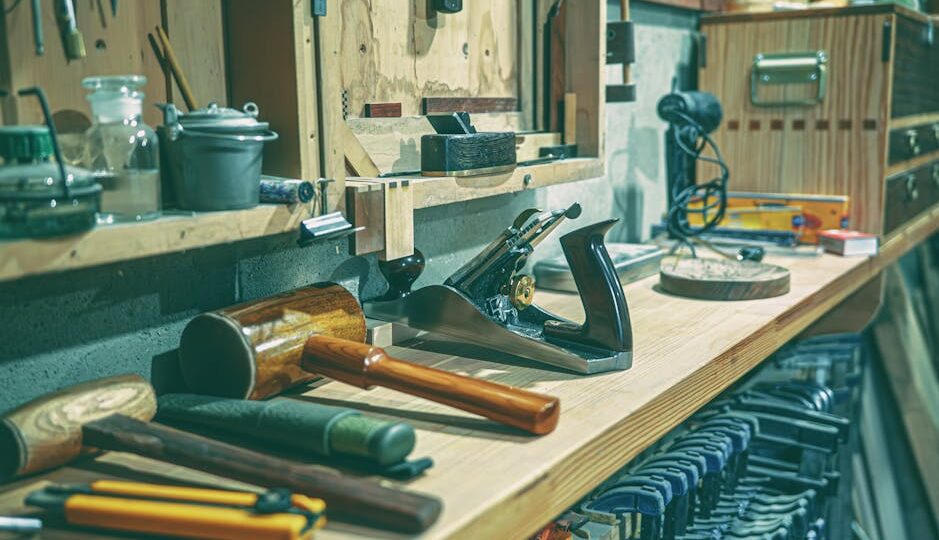
Once you’ve secured a location, it’s time to gather resources. This includes not just tools and materials but also people. Start by making a list of basic tools that every workshop should have: hammers, screwdrivers, paintbrushes, and sewing kits. Consider reaching out to local hardware stores or craft shops; they might be interested in sponsoring your initiative with donations or discounts.
Next, tap into the skills of your neighbors. Everyone has something unique to offer, whether it’s woodworking expertise, a knack for painting, or an eye for design. Host a meet-and-greet event to discuss what each person can contribute. This also sets the stage for establishing roles—maybe someone can take charge of scheduling or managing finances.
Planning Projects: What to Create Together
With a space and resources in place, the exciting part begins: planning your projects. Start by brainstorming with your group. Consider projects that cater to a range of skill levels to keep everyone engaged. Here are a few ideas to get the creative juices flowing:
- Community Mural: Transform a dull wall in your neighborhood with a vibrant mural that reflects the spirit of your community.
- Seasonal Decorations: Craft unique decorations for upcoming holidays or local festivals.
- Garden Beautification: Collaborate on building planters or birdhouses to enhance local green spaces.
Remember to document each project with photos and stories, which can be shared to inspire others and keep the momentum going.
Building a Supportive Network
A successful community workshop relies on strong relationships. Encourage open communication and regular feedback. Consider creating a digital group chat or a newsletter to keep everyone informed about upcoming events and projects.
Don’t forget to reach out beyond your immediate neighborhood. Partner with nearby communities to exchange ideas and even organize joint events. The wider your network, the richer your pool of inspiration and resources will be.
The Joy of Sharing Your Success
There’s immense satisfaction in seeing a project to completion and even more in sharing your achievements. Plan an open house event where you can showcase your work to the broader community. It’s a chance to celebrate your hard work, attract new members, and maybe even raise funds for future projects through sales or donations.
By the end of the day, you’ll find that the real success of a community-based workshop is measured not just in completed projects but in the lasting bonds formed along the way.
Your neighborhood DIY workshop is more than just a creative outlet—it’s a testament to the power of community and shared dreams. So, pick up that paintbrush, grab a hammer, and invite your neighbors to join in on the fun. Together, you’re not just crafting projects; you’re crafting connections.