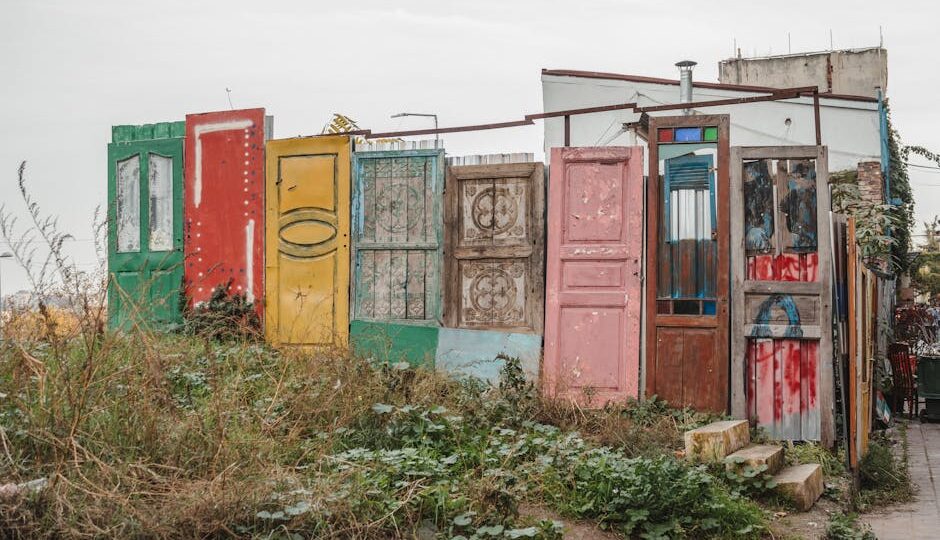
Rediscovering the Beauty of Architectural Salvage
Architectural salvage isn’t just a fancy term for old junk; it’s a treasure trove waiting to be creatively unleashed. As we venture further into 2026, more people are turning to salvaged materials for their DIY projects, not just for the sake of sustainability, but for the unique charm these pieces bring. Whether it’s rusted iron gates or weathered wooden beams, there’s a story behind every salvaged artifact. And the best part? Each piece is entirely unique, offering an unparalleled touch to any home project.
Why Go Salvage?
First and foremost, using salvaged materials significantly reduces waste, making it an eco-friendly choice. The construction industry is responsible for a large portion of waste, but by choosing to use what’s already available, we take a step towards reducing this footprint. Moreover, old materials come with a built-in character. Imagine a door that once stood in a 19th-century Parisian apartment now serving as your dining room table. The history alone is a conversation starter.
Finding Your Treasures
So, where do you find these hidden gems? Architectural salvage yards are popping up everywhere from urban centers like New York City to smaller towns such as Asheville, North Carolina. Websites like Salvage Seekers or Old House Parts offer directories for locations near you. Auctions and estate sales are also gold mines for unique pieces. Keep a keen eye on local listings or social media groups dedicated to vintage treasures.
Five Projects to Try in 2026 Using Salvaged Materials
- Repurposed Fireplace Mantels: Why not transform an old mantel into a headboard? The regal carvings provide an ornate frame for any bed and create a stunning focal point in the bedroom.
- Stained Glass Windows: These can be mounted and backlit to create an awe-inspiring art piece. Hang them over modern, minimalist furnishings to create a striking contrast.
- Vintage Tin Ceiling Tiles: Use these as a unique backsplash in your kitchen or bathroom. Their intricate designs provide texture and a splash of vintage elegance.
- Reclaimed Wood Shelves: Perfect for any room, these shelves not only showcase your favorite books or trinkets but also add a rustic charm.
- Old Iron Gates as Room Dividers: These can be painted and mounted to define spaces in open-plan homes without blocking natural light.
Practical Tips for Working with Salvaged Materials
Working with salvaged materials can be daunting, especially when you consider the additional layer of care required for older, potentially fragile items. Here are some tips to ensure success:
- Always inspect for lead paint or asbestos, especially with older materials.
- Clean items thoroughly; a gentle wash with soap and water is often sufficient for most materials.
- Consider sealing wood to protect it from further aging or peeling.
- Embrace imperfections; they add to the story and authenticity of your piece.
The Joy of Transformation
There’s an undeniable thrill in transforming something old into something new. Each project becomes a testament to creativity and sustainability, encouraging others to see the potential in what might otherwise be overlooked. As you embark on your salvaging journey in 2026, remember that the possibilities are as endless as the stories embedded in each piece you find.
Takeaway: Crafting Sustainability with Style
Architectural salvage not only enriches your home with unique story-filled pieces but also contributes to a more sustainable future. By incorporating salvaged materials into your DIY projects, you’re not just crafting with style and history—you’re making a meaningful choice for the environment.