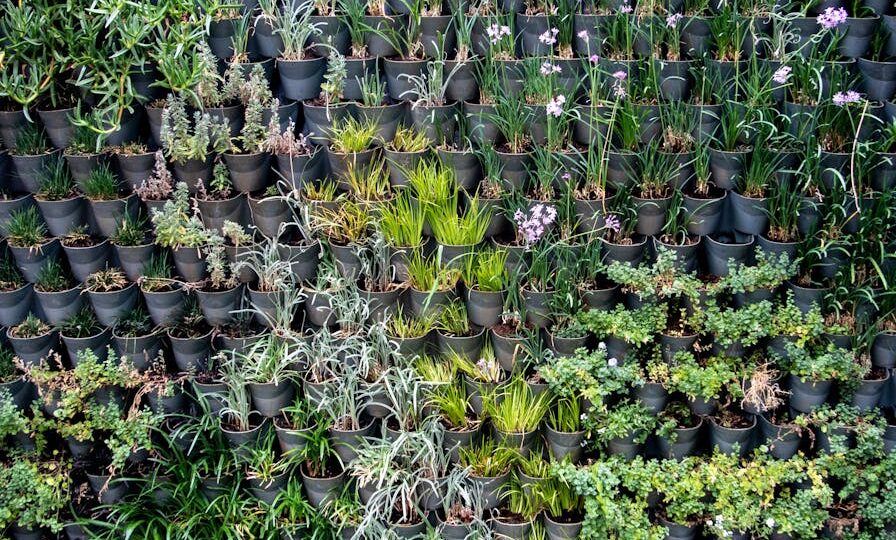
Why Choose a Vertical Herb Garden?
Imagine stepping into your kitchen and snipping fresh basil for pasta or rosemary for potatoes. A vertical herb garden brings the flavors of the world to your doorstep without consuming precious space. In 2026, urban living continues to shrink our living spaces, and traditional gardens are no longer practical for many. Vertical herb gardens solve this problem beautifully, offering accessibility, beauty, and functionality.
Vertical gardens, a trend gaining momentum over the past few years, have become a staple for urbanites and suburban dwellers alike. They provide the perfect solution to space constraints and allow for a greater variety of herbs to flourish in even the smallest of spaces. Whether you’re an apartment dweller in New York City or you own a townhouse in San Francisco, cultivating a vertical herb garden can transform your cooking experience.
Getting Started: What You’ll Need
Before embarking on your vertical herb garden journey, gather the essential materials. Here’s what you’ll need to start:
- Vertical planters: Choose between pocket planters, wall-mounted planters, or tower gardens. Each style has its own charm and benefits.
- Potting soil: Opt for a high-quality, well-draining soil mix to ensure your herbs thrive.
- Herb seedlings: Consider basil, thyme, mint, chives, parsley, and cilantro. These are easy to grow and enrich a wide array of dishes.
- Watering can or drip irrigation system: Regular watering is essential. Drip systems offer convenience and precision.
- Sunlight: Most herbs need 6-8 hours of sunlight daily. Position your garden accordingly, or use grow lights if necessary.
Step-by-Step Guide to Building Your Vertical Herb Garden
Once you have your materials, it’s time to build your garden.
1. Choose the Right Location
Your garden’s success starts with the right location. Herbs need ample sunlight, so pick a spot with direct exposure to sunlight for several hours a day. A south-facing wall is ideal if you’re indoors.
2. Prepare Your Planters
Assemble your vertical garden structure according to the instructions. Ensure it’s secure, especially if it’s wall-mounted. Fill each section of your planter with potting soil, leaving room for your seedlings.
3. Plant Your Herbs
Gently remove seedlings from their containers and plant them into the pockets of your vertical garden. Space them according to their growth patterns—basil requires more room than thyme, for instance.
4. Water Wisely
Water your herbs immediately after planting. Be careful not to overwater; herbs hate soggy roots. Check the soil moisture regularly and adjust your watering schedule as needed.
5. Maintain and Harvest
Prune your herbs regularly to promote growth and prevent them from getting leggy. Harvesting encourages plants to produce more foliage, so don’t hesitate to snip off leaves as needed.
Creative Ways to Enhance Your Vertical Herb Garden
Personalize your vertical garden by incorporating unique design elements. Paint your planters in bold colors, or use chalkboard paint to label each herb. Consider adding LED lights for a nighttime glow, or intertwine fairy lights to create a magical ambiance.
Integrate technology by installing a smart watering system that automatically adjusts based on weather conditions or plant requirements. This 2026 innovation ensures your herbs receive just the right amount of hydration.
The Flavorful Rewards of Vertical Gardening
Growing your own herbs provides an unmatched sense of satisfaction and culinary delight. By investing time and effort into a vertical herb garden, you’ll enjoy fresh flavors that elevate your meals and contribute to a sustainable lifestyle. Moreover, you’re cultivating not just plants, but a deeper connection with nature—a relationship often lost in our digital age.
As we navigate 2026, our environments may be changing, but the desire for homegrown, fresh ingredients remains timeless. A vertical herb garden offers a practical and beautiful way to bring greenery into your home, no matter the size.
Practical Takeaway
To thrive, remember these essentials: right positioning for sunlight, quality soil, and consistent care. Tailor your vertical garden to both your space constraints and aesthetic preferences. This effort will reward you with both culinary treasures and a stunning visual element in your home.