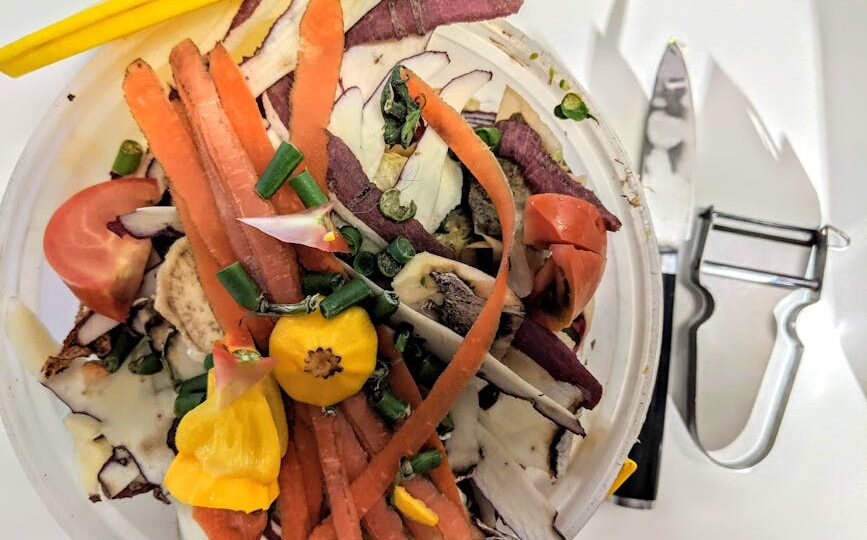
Why 2026 is the Year to Start Composting at Home
Composting at home is no longer just a quaint hobby for the environmentally conscious; it’s becoming an essential practice for many households in 2026. As we embrace more sustainable living habits, the role of composting has never been more crucial. With climate change concerns reaching new heights, individuals are looking for actionable ways to reduce their carbon footprint. Composting is one of the most effective and approachable solutions available, and here’s why you should consider starting this year.
The Environmental Impact of Composting
Did you know that food waste accounts for approximately 30% of what we throw away? In the United States alone, over 40 million tons of food waste is generated annually. When food waste ends up in landfills, it decomposes anaerobically, releasing methane, a potent greenhouse gas. Composting can significantly mitigate this environmental impact by turning organic waste into nutrient-rich humus, which boosts soil health.
According to the Environmental Protection Agency (EPA), composting can reduce methane emissions from landfills and lower the carbon footprint of waste management. By composting at home, you contribute to this reduction, playing a part in lowering greenhouse gas emissions nationally. It’s a small effort that makes a big difference, and 2026 is the perfect year to join the movement.
Technological Advancements
The world of composting has undergone significant technological advancements in recent years. In 2026, we’ve seen the advent of smart composting systems that take the guesswork out of the process. These systems utilize sensors and apps to monitor temperature, moisture, and aeration, ensuring optimal conditions for decomposition. Brands like CompostEase and EcoCycle Pro have become household names, offering user-friendly products that make composting as easy as pie.
These innovations have made it accessible for even the busiest individuals to manage a compost bin without hassle. The integration of technology not only simplifies the process but also encourages participation by providing real-time feedback and tips to optimize composting efficiency.
Economic Benefits
Switching to composting isn’t just good for the planet; it’s also gentle on the wallet. By turning your organic waste into compost, you reduce the amount of trash you produce, potentially lowering your garbage collection costs. Additionally, the compost you generate acts as a free, natural fertilizer for your garden, eliminating the need for chemical fertilizers.
Consider the costs of fertilizers: in 2026, the average price of a 50 lb bag of chemical fertilizer is around $40. By investing time in composting, you save money while enriching your garden soil with natural nutrients. Over a year, this can add up to substantial savings, especially for avid gardeners.
Community Initiatives and Support
Many cities and communities are now supporting composting programs and offering resources to help residents get started. Take San Francisco, for example, which has been a leader in waste management with its mandatory composting laws since 2009. The city provides composting bins and offers workshops to educate the public on effective composting techniques.
In 2026, newer initiatives have blossomed in cities like Austin, Texas, and Portland, Oregon, where community gardens and composting hubs allow residents to drop off their organic waste. These initiatives not only foster community spirit but also create a collective effort toward sustainability.
Getting Started with Composting
Ready to start composting at home? Here are some straightforward steps to guide you on your journey:
- Choose a Compost Bin: Whether it’s a simple DIY bin or a high-tech composting system, select one that suits your space and lifestyle.
- Understand What You Can Compost: Most organic materials can be composted, including fruit and vegetable scraps, eggshells, coffee grounds, and yard waste. Avoid meat, dairy, and oils as they can attract pests.
- Maintain Balance: A successful compost pile needs a balance of greens (nitrogen-rich materials) and browns (carbon-rich materials). Aim for a 2:1 ratio for optimal decomposition.
- Turn and Aerate: Regularly turning your compost pile ensures proper aeration, which aids in decomposition and reduces odors.
- Harvest Your Compost: Depending on your system, your compost will be ready in two to six months. Use it to enrich your garden soil, boosting plant growth and health.
The Practical Takeaway
Composting at home in 2026 is not just an environmentally responsible choice; it’s an easy, economically beneficial, and community-supported activity. By converting your organic waste into valuable compost, you contribute to a healthier planet while reaping the benefits of richer soil and a lighter garbage bill. So, why wait? Start your composting journey today and watch your efforts sprout into a sustainable future for you and your community.